
The following are highlighted projects funded through the Ginsberg Center's Community Engagement and Alternative Break Grants. In Academic Year 2025-2026, $20,000 was awarded to 23 student organization initiatives across all 6 Pathways. 71% of projects funded were local!
Highlighted Projects from the 2025-2026 Academic Year
Michigan Animation Club - CEG
Michigan Animation Club- Community Engagement Grant Recipient
Amount Granted: $600
Funded: The Michigan Animation Club used the Community Engagement Grant and the Ginsberg Matchmaking process to partner with Our Community Reads, an organization serving Black children and families in Southeast Michigan, to produce a 1 to 2-minute animated short film. The film aims to expand audience reach and donor engagement by sharing the organization’s story and impact.
Ginsberg Pathways Represented: Direct Service & Community-Engaged Learning and Research
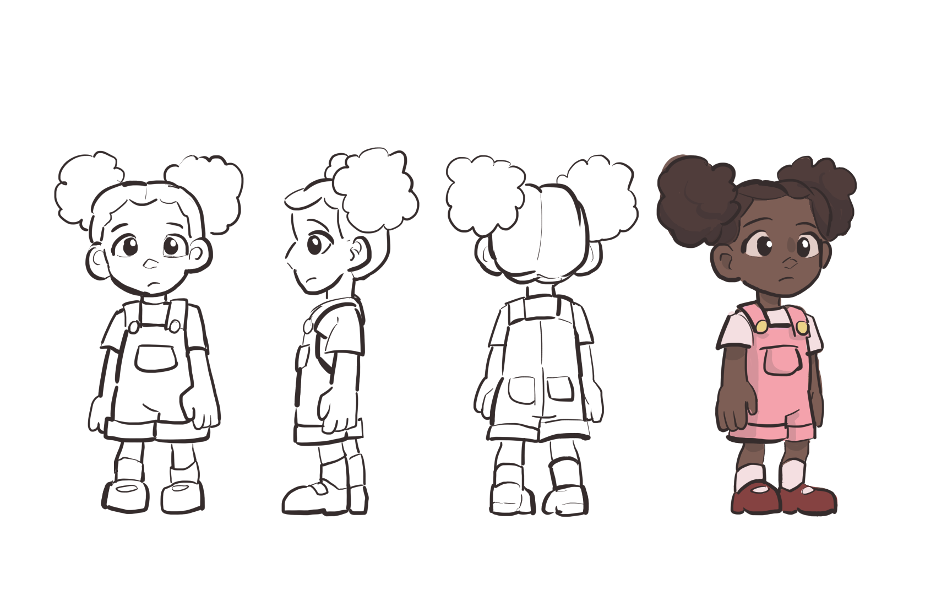
Students worked closely with organizational leadership throughout scripting, design, animation, and audio production to ensure the final product reflects community priorities. Grant funding supported access to technology, transportation, and production needs.
Once completed, the animation will be shared across platforms to support ongoing outreach and sustainability. The project provided students with hands-on experience in client-based creative work while delivering a lasting resource for the partner organization.
Lori's Hands - CEG
Lori's Hands- Community Engagement Grant Recipient
Amount Granted: $1,000
Funded: Lori’s Hands at the University of Michigan used the Community Engagement Grant to expand student engagement with community members living with chronic illness in Washtenaw County. Funding reduced barriers to participation by covering transportation and background check costs, allowing more students to volunteer.
Ginsberg Pathways Represented: Direct Service, Community-Based Learning & Research
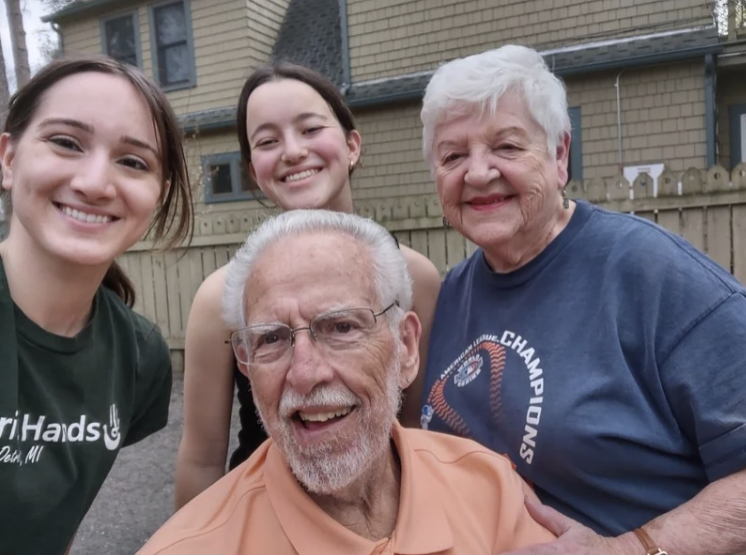
Volunteers supported clients with daily tasks such as meal preparation, chores, and physical therapy exercises, while also providing companionship to reduce social isolation. The initiative also strengthened volunteer training and improved the quality of care through educational programming and relationship building.
As a result, the program reduced its client waitlist, expanded volunteer capacity, and increased access to consistent support for community members. The experience also helped students build empathy and a deeper understanding of living with chronic illness, contributing to their development as future health professionals.
Sigma Lambda Beta International Fraternity - CEG
Sigma Lambda Beta International Fraternity, Inc. - Community Engagement Grant Recipient
Amount Granted: $1,000
Funded: Sigma Lambda Beta International Fraternity, Inc. used the Community Engagement Grant to partner with Global Health Charities to host a Clean Birth Kit Assembly Drive. Through this initiative, students assembled 200 clean birth kits for distribution in Ethiopia, where access to safe childbirth resources is limited. Each kit contains essential supplies that reduce infection risk during delivery, supporting up to 400 lives.
“The first time I did this, it changed how I think about impact. It’s not always visible, but knowing something you assembled will be used in a real birth stays with you.” - Felipe Garcia, volunteer and SLB member
Ginsberg Pathways Represented: Philanthropy and Direct Service
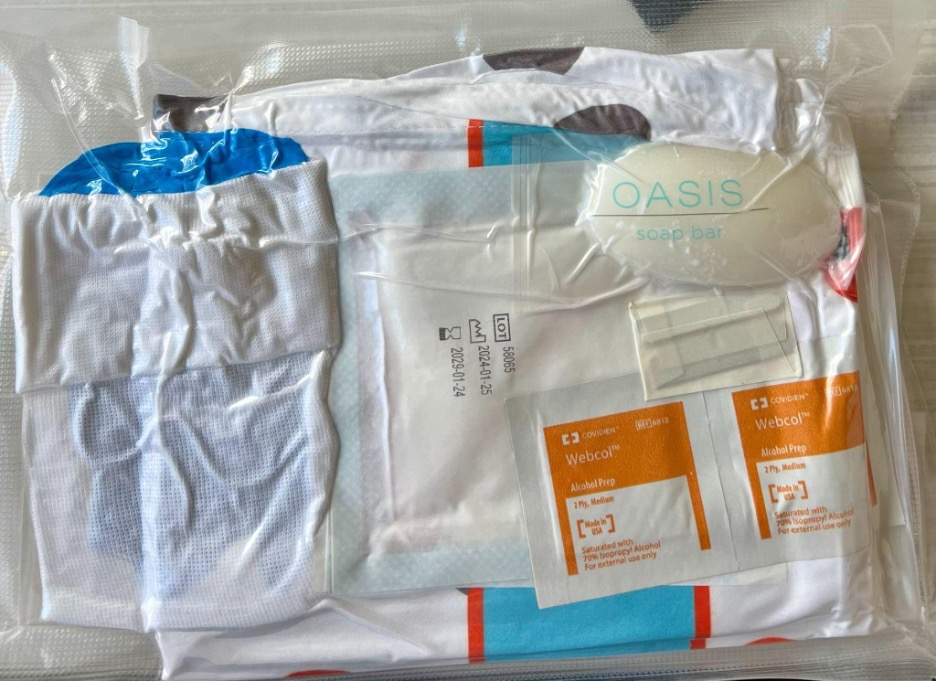
The project combined hands-on service with education, including a session led by a Global Health Charities representative on maternal health disparities and the impact of clean birth kits. One participant reflected that knowing the kits would be used in real births made the experience meaningful and lasting. By documenting materials and planning processes, the group created a model that can be replicated and expanded in future years, supporting continued student engagement and global health impact.
Health Equity Scholars Program - CEG
Health Equity Scholars Program - Community Engagement Grant Recipient
Amount Granted: $731
Funded: The Health Equity Scholars Program (HESP), a student-led group within the University of Michigan Medical School, used the Community Engagement Grant to partner with the Peace Neighborhood Center to deliver nutrition and cooking workshops for elementary-aged youth. Developed in response to community-identified needs, the workshops provided hands-on opportunities for participants to learn about balanced diets, prepare food, and build confidence in the kitchen.
Ginsberg Pathways Represented: Direct Service and Community-Based Learning
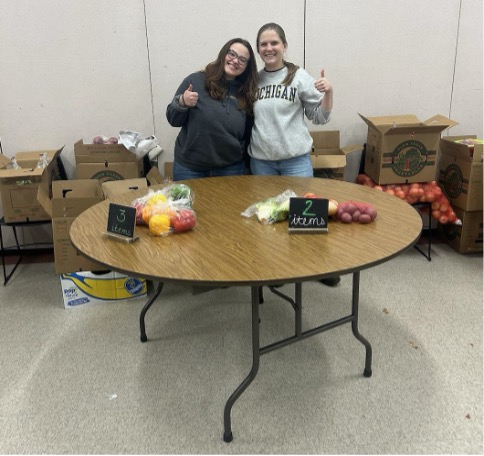
The project also included bilingual educational materials and take-home resources for parents and caregivers to support healthy eating at home. Grant funding supported the purchase of nutritious food, cooking tools, and workshop materials.
This initiative strengthened an ongoing community partnership while promoting youth empowerment and health education. It also gave medical student volunteers direct exposure to community-based approaches to health and the role of social determinants in shaping outcomes.
Native American Law Students Association (NALSA) - ABG
Native American Law Students Association - Alternative Break Grant Recipient
Amount Granted: $1,000
Funded: The Native American Law Students Association (NALSA), a student organization focused on supporting Native law students and advancing education in Tribal and federal Indian law, used the Alternative Breaks Grant to partner with Michigan Indian Legal Services (MILS). During their service trip, students worked alongside attorneys and staff to support estate planning outreach and other legal service projects for Native communities across Michigan.
"The collaboration between University of Michigan Law Students and Michigan Indian Legal Services (MILS) has increased the capacity of the MILS organization by providing ways to enhance our estate planning services to people who may be over-income and not qualify for MILS services." - Michigan Indian Legal Services
Ginsberg Pathways Represented: Direct Service & Community Engaged Learning and Research
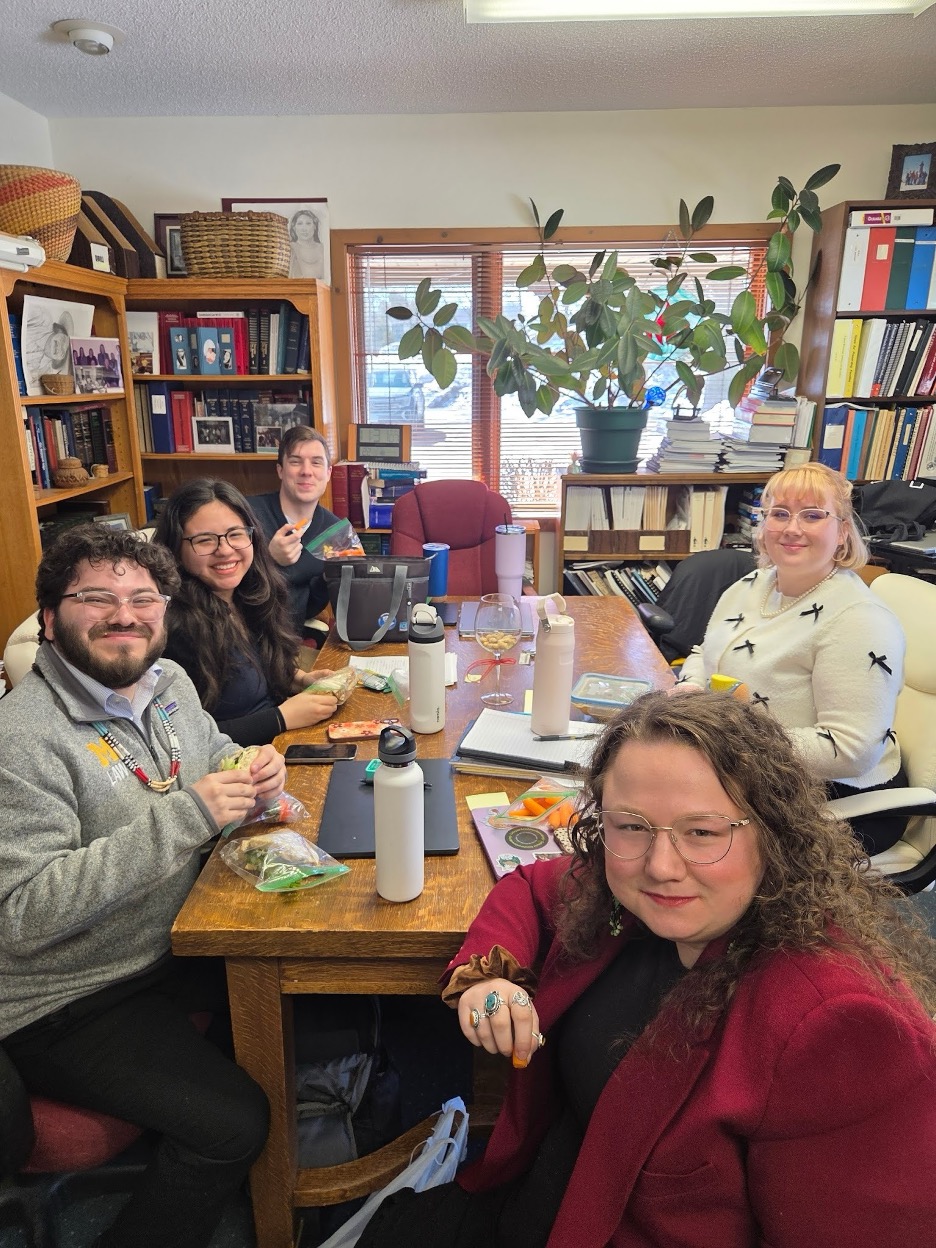
NALSA contributed to the development of accessible materials, including flyers and revised client documents, to improve understanding of wills and estate planning. These resources were added to the MILS website and will be used in future clinics, extending the project’s impact. As one partner shared, the collaboration increased organizational capacity and improved how clients access legal information. By addressing both immediate needs and long-term communication gaps, NALSA strengthened access to critical legal resources while building relationships with Indigenous communities.
Highlighted Projects from the 2024-2025 Academic Year
The Prison Birth Project - CEG
The Prison Birth Project- Community Engagement Grant Recipient
Amount Granted: $500
Funded: The Prison Birth Project (PBP) is a student-led organization advocating for reproductive justice and the rights of incarcerated and formerly incarcerated individuals. PBP utilized the Community Engaged Grant to address critical gaps in access to hygiene and menstrual care among reentering community members through a partnership with A Brighter Way, a Ypsilanti-based reentry organization. Through the grant, PBP distributed 56 boxes of menstrual products and essential hygiene supplies—including toothpaste, soap, and deodorant—to over 150 individuals. This initiative not only provided tangible resources to support basic health and dignity but also deepened PBP’s partnerships with local service organizations. In doing so, PBP advanced its mission to confront systemic injustices and build pathways for the health, empowerment, and successful reintegration of formerly incarcerated individuals into their communities.
Ginsberg Pathways Represented: Philanthropy, Direct Service, Community Organizing & Activism

Theta Alpha Psi - CEG
Theta Alpha Psi- Community Engagement Grant Recipient
Amount Granted: $800
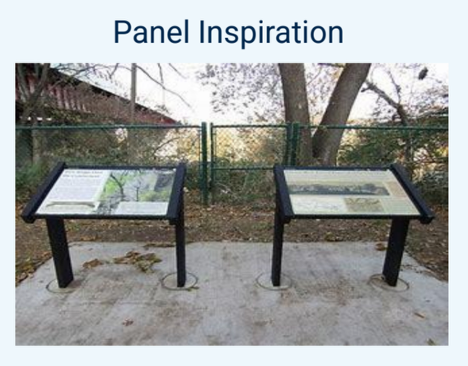
Funded: Theta Alpha Psi is a student organization dedicated to educating and connecting University of Michigan undergraduates interested in social and environmental sustainability. With support from the Community Engaged Grant, the organization launched the Climate Time Initiative in partnership with Fellowfield Discovery Park, a public cultural and environmental exhibit. Students collaborated to create a series of interpretive panels, interactive activities, and reflective prompts exploring how different cultural perceptions of time influence attitudes toward climate change, resource management, and environmental justice. The project encouraged visitors to consider alternative frameworks for environmental action, fostering deeper public engagement with sustainability. Through this partnership, Fellowfield will expand its educational offerings, reaching diverse community audiences and enhancing its capacity to address climate issues through an equity-focused lens.
Ginsberg Pathways Represented: Community Engaged Learning & Research and Community Organizing & Activism
"The Climate Time Exhibit reminds us that climate education is not just about facts and figures - it's about rethinking our relationships, including how we experience and understand time, in order to view climate change and climate action through a more human and hopeful lens." - Katy Adams, Fellowfield Discovery Park Director
Sunny - CEG
Sunny - Community Engagement Grant Recipient
Amount Granted: $1000
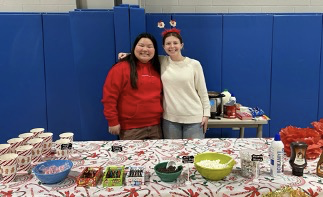
Funded: Sunny is a student organization dedicated to supporting foster youth and at-risk children in Ann Arbor and Detroit. In partnership with MCHS Family of Services, they plan and fund events designed to offer meaningful and joyful experiences often missing from the foster care system. Volunteers engage with youth weekly, fostering hope, resilience, and advocacy, and ensuring that every child feels seen, heard, and valued. Grant funding awarded to Sunny was used to purchase holiday gifts for MCHS youth.
Ginsberg Pathways Represented: Philanthropy and Direct Service
Bright Financial Futures - CEG
Bright Financial Futures- Community Engagement Grant Recipient
Amount Granted: $500
Funded: Bright Financial Futures (BFF) is a student-led volunteer organization at the University of Michigan dedicated to promoting financial literacy among youth. Through the Community Engaged Grant, BFF partnered with the Community Action Network (CAN) to deliver a series of workshops on budgeting, saving, debt management, investing, and entrepreneurship to elementary, middle, and high school students at Hikone and Bryant community centers in Ann Arbor. University volunteers provided hands-on mentoring, aiming to build long-term relationships that fostered both trust and skill development. The program sought not only to improve students’ financial knowledge but also to stabilize families and strengthen the local community by equipping young people with practical personal finance tools. Success was measured through strong event turnout, positive participant feedback, and enhanced collaboration with CAN. Through this initiative, BFF demonstrated its commitment to achieving both its organizational goals and broader community empowerment.
Ginsberg Pathways Represented: Community-Engaged Learning & Research and Direct Service
“Our kids have really connected with the volunteers and are looking forward to figuring out how finances impact their futures… They (BFF volunteers) bring candy and engage our students without them realizing they're learning.” - Torey Madura, CAN Site Director at Hikone Community Center.

Society of Women Engineers - ABG
Society of Women Engineers - Alternative Break Grant Recipient
Amount Granted: $900
Funded: The Society of Women Engineers (SWE) at the University of Michigan is one of the largest student organizations on campus, committed to empowering women in engineering through mentorship, professional development, outreach, and service. With support from the Alternative Break Grant, SWE organized its annual Engineering Alternative Spring Break (ASB) Outreach Trip to Chicago. Partnering with Lindblom Math and Science Academy and Jonathan Burr Elementary School, SWE members facilitated hands-on STEM workshops aimed at increasing interest in engineering among underrepresented youth. Since launching the initiative in 2023, SWE has engaged over 800 students and 20 teachers, directly contributing to increased applications to engineering and STEM programs. The program also cultivated leadership, teamwork, and communication skills among SWE members. Grant funding will support efforts to expand the program’s reach, enhance workshop activities, and continue building a pipeline for future generations of engineers.
Ginsberg Pathways Represented: Community-Engaged Learning & Research and Direct Service
"I had no idea that students needed to apply to public high schools - it opened my eyes to how different the Chicago Public School system is and how much opportunity it can offer through STEM." - Alternative Break Participant

Project Rishi - ABG
Project RISHI- Alternative Break Grant Recipient
Amount Granted: $350
Funded: Project RISHI (Rural India Social and Health Improvement) is a student-run nonprofit at the University of Michigan dedicated to promoting sustainable development in rural Indian communities. With the support of the Alternative Break Grant, Project RISHI students traveled to India to collaborate with CanKids, a pediatric cancer organization. Volunteers conducted mental health workshops for young patients, focusing on stress management techniques such as yoga, mindfulness, and gratitude exercises. The team also provided sensory and fidget toys for children with retinoblastoma to help support emotional regulation during treatment. Additionally, participants evaluated the effectiveness of recent waiting room renovations designed to improve the comfort and emotional well-being of patients and their families. This project furthered Project RISHI’s mission of addressing holistic health needs in underserved communities while giving student volunteers firsthand experience in global health, community engagement, and culturally responsive service.
Ginsberg Pathways Represented: Community Organizing & Activism and Direct Service
